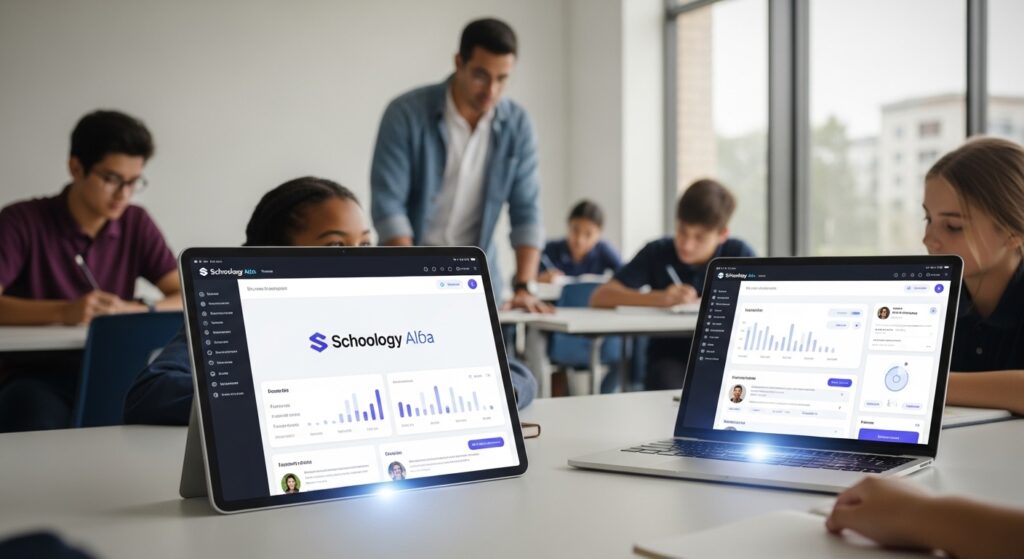
In today’s rapidly evolving educational landscape, digital learning platforms have become essential tools for schools, teachers, and students. Schoology Alfa represents a modern vision of how learning management systems can enhance collaboration, streamline instruction, and improve academic outcomes. By combining intuitive design with powerful features, Schoology Alfa symbolizes the next stage of digital education.
As classrooms shift toward blended and fully online models, platforms inspired by systems like Schoology demonstrate how technology can support structured, interactive, and measurable learning experiences. Schoology Alfa builds on this foundation while emphasizing innovation, accessibility, and adaptability.
The Evolution of Digital Learning Platforms
The growth of digital education has been shaped by the need for flexibility and connectivity. Traditional classroom environments relied heavily on physical materials and face-to-face communication. However, with the rise of learning management systems, educators gained the ability to share assignments, track progress, and communicate online.
Platforms such as PowerSchool, which acquired Schoology in 2019, highlight the integration of student data systems with learning platforms. Schoology Alfa can be viewed as a conceptual advancement in this direction, offering a seamless digital environment for managing educational processes.
What Is Schoology Alfa?
Schoology Alfa can be understood as an enhanced digital learning ecosystem. It combines course management, communication tools, analytics, and collaborative features into a unified platform.
The name “Alfa” suggests leadership and innovation. It implies a first-level or advanced version of a system designed to meet the needs of modern education. Schoology Alfa therefore represents a progressive approach to academic management and interactive learning.
Core Features of Schoology Alfa
For a platform like Schoology to be effective, it must offer a comprehensive range of tools tailored to students and educators.
Course Management
Teachers can create structured courses with modules, lessons, assignments, and quizzes. Schoology Alfa would allow easy content uploads, multimedia integration, and automated grading options.
Communication Tools
Strong communication channels are essential in digital education. Schoology Alfa could provide messaging systems, discussion boards, and announcements that keep students and teachers connected.
Real-Time Analytics
Data-driven insights help educators monitor student progress. Schoology Alfa might include dashboards displaying attendance, assignment completion rates, and performance trends.
Mobile Accessibility
Students increasingly rely on smartphones and tablets. A responsive mobile interface would ensure that learning continues anytime and anywhere.
Benefits for Teachers
Teachers benefit greatly from digital platforms that simplify administrative tasks. Schoology Alfa could reduce paperwork by automating grading and attendance tracking.
The platform might also provide resource libraries where educators share lesson plans and teaching materials. This collaborative approach encourages professional growth and innovation.
Furthermore, integrated feedback tools would allow teachers to provide personalized guidance to each student.
Advantages for Students
For students, Schoology could offer a centralized space to manage assignments, deadlines, and course materials. Clear notifications and organized dashboards would help improve time management skills.
Interactive features such as polls, group projects, and peer reviews would foster engagement and teamwork. Access to recorded lectures and digital resources would support self-paced learning.
By tracking performance metrics, students could better understand their strengths and areas for improvement.
Security and Data Protection
In educational environments, safeguarding student information is critical. Schoology would need robust encryption, secure login systems, and compliance with international data protection standards.
Parental access options might allow guardians to monitor progress while maintaining privacy boundaries. Transparent data policies would strengthen trust among schools and families.
Integration with Educational Tools
Modern education relies on multiple digital tools. Schoology Alfa could integrate with productivity software, cloud storage systems, and video conferencing platforms.
For example, integration with platforms like Microsoft Teams or Google Classroom would enhance collaboration and streamline virtual instruction.
Such interoperability would ensure that schools can maintain consistent workflows without switching between multiple systems.
The Role of Artificial Intelligence
Artificial intelligence is reshaping education. Schoology Alfa could incorporate AI-driven recommendations that adapt learning paths based on student performance.
Automated content suggestions, predictive analytics, and personalized study plans might enhance academic outcomes. By identifying struggling students early, the system could help educators intervene effectively.
AI-powered chatbots might also provide instant support for common technical or academic questions.
Supporting Hybrid and Remote Learning
The global shift toward hybrid and remote education models has highlighted the need for reliable digital platforms. Schoology Alfa could support live virtual classes, recorded sessions, and collaborative online activities.
Features such as breakout rooms and interactive whiteboards would simulate in-person classroom experiences. This flexibility ensures continuity of education during unexpected disruptions.
Challenges and Opportunities
While digital platforms offer numerous benefits, they also present challenges. Schools must ensure equal access to technology and provide adequate training for teachers and students.
Schoology would need continuous updates to remain aligned with evolving educational standards and technological advancements. User feedback and iterative improvements would play a crucial role in its success.
However, the opportunities far outweigh the challenges. With the right implementation, Schoology could transform educational experiences on a global scale.
The Future of Schoology Alfa
As technology continues to advance, Schoology could expand to include immersive learning tools such as augmented reality and virtual simulations.
Gamification elements might increase student motivation through reward systems and interactive challenges. Blockchain technology could even secure academic credentials and certificates.
By staying adaptable and innovative, Schoology would remain at the forefront of digital education solutions.
Why Schoology Alfa Matters
Education is the foundation of societal growth. Digital platforms like Schoology Alfa empower schools to deliver structured, engaging, and accessible learning experiences.
By integrating course management, analytics, and communication tools into one ecosystem, Schoology Alfa represents efficiency and progress. It reflects the shift from traditional methods to data-driven, student-centered approaches.
In an increasingly digital world, educational systems must evolve. Schoology Alfa symbolizes this evolution, offering a pathway toward smarter and more inclusive learning environments.
Conclusion
Schoology Alfa embodies the future of modern education. With advanced technology, user-friendly design, and comprehensive features, it supports teachers, students, and administrators alike.
By fostering collaboration, enhancing accessibility, and leveraging data insights, Schoology has the potential to reshape how knowledge is delivered and experienced. As education continues to adapt to new realities, platforms inspired by Schoology Alfa will remain essential in building connected and empowered learning communities.