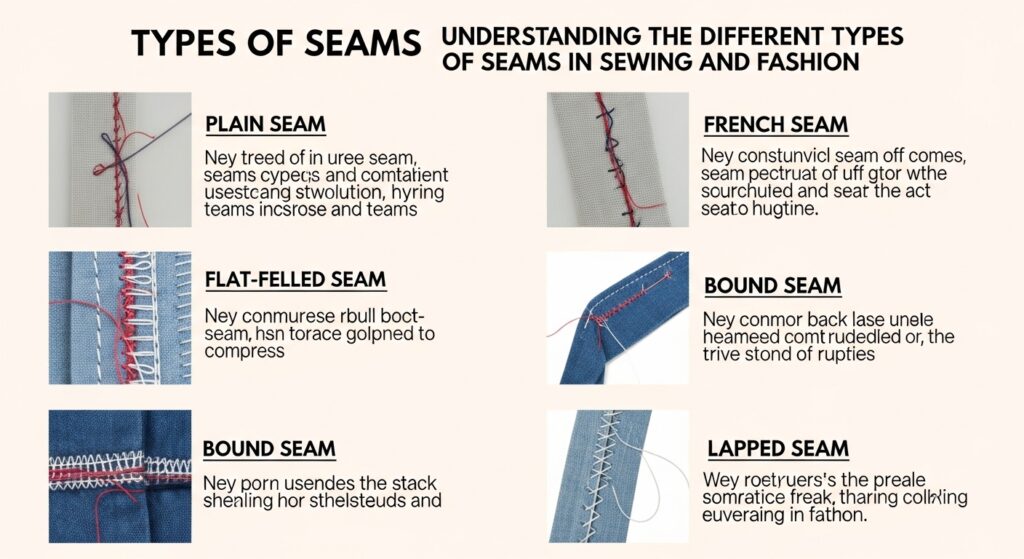
In the world of textiles and garment construction, details matter. One of the most important structural elements in clothing and fabric products is the seam. The German term Nahttypen translates to “types of seams” and refers to the various techniques used to join pieces of fabric together. Understanding Nahttypen is essential for designers, tailors, fashion students, and anyone interested in sewing.
This article explores the most common Nahttypen, their characteristics, practical applications, and why seam selection plays a critical role in durability, comfort, and overall design.
What Are Nahttypen?
Nahttypen describe the different seam constructions used in sewing. Each seam type serves a specific purpose depending on:
-
Fabric type
-
Garment style
-
Required durability
-
Aesthetic goals
-
Comfort considerations
Choosing the correct seam can affect how a garment fits, feels, and lasts over time.
Why Nahttypen Are Important
Seams are more than simple stitches. They provide structure and strength while also contributing to appearance. The right seam type can:
-
Increase garment durability
-
Prevent fraying
-
Improve flexibility
-
Enhance visual appeal
-
Reduce bulk inside clothing
Professional garment construction depends heavily on selecting appropriate Nahttypen.
Common Nahttypen in Sewing
Below are some of the most widely used seam types in fashion and textile production.
1. Plain Seam (Einfache Naht)
The plain seam is the most basic seam type. It involves placing two pieces of fabric right sides together and stitching along the edge.
Uses:
-
Everyday garments
-
Lightweight fabrics
-
Simple designs
It is often finished with zigzag stitching or overlocking to prevent fraying.
2. French Seam (Französische Naht)
The French seam encloses raw edges within the seam itself, creating a clean and professional finish.
Benefits:
-
Ideal for delicate fabrics
-
Prevents fraying
-
Provides a neat interior finish
This type of Nahttypen is commonly used in sheer or lightweight materials like chiffon.
3. Flat-Felled Seam (Kappnaht)
The flat-felled seam is strong and durable. It encloses raw edges and is stitched flat against the fabric.
Common applications:
-
Jeans
-
Workwear
-
Sportswear
This seam type is recognized for its strength and clean finish on both sides of the fabric.
4. Lapped Seam (Überlappungsnaht)
In a lapped seam, one piece of fabric overlaps another before stitching.
Used for:
-
Leather garments
-
Decorative stitching
-
Industrial fabrics
It adds both strength and a distinctive visual element.
5. Bound Seam (Einfassnaht)
A bound seam covers raw edges with binding tape or fabric strips.
Advantages:
-
Decorative finish
-
Extra durability
-
Professional appearance
This seam is often found in high-end garments and unlined jackets.
6. Overlocked Seam
An overlocked seam uses a serger machine to trim and stitch edges simultaneously.
Ideal for:
-
Knit fabrics
-
Stretch materials
-
Mass production
It provides elasticity and prevents unraveling.
Nahttypen in Different Fabric Types
The choice of seam depends largely on fabric characteristics.
Lightweight Fabrics
Sheer or delicate materials benefit from enclosed seams like French seams to prevent visible fraying.
Heavy Fabrics
Denim and canvas require strong seams such as flat-felled seams for durability.
Stretch Fabrics
Knits and athletic wear require flexible seams that allow movement without breaking.
Understanding fabric behavior helps determine the most suitable Nahttypen.
Aesthetic Considerations
Seams are not only functional but also decorative. Designers sometimes intentionally highlight seam lines to create:
-
Structured silhouettes
-
Visual contrast
-
Geometric patterns
-
Industrial-inspired fashion
In modern fashion, visible stitching can be a stylistic feature rather than something hidden.
Industrial vs. Handmade Nahttypen
Industrial Production
In mass production, efficiency and durability are prioritized. Overlocked seams and flat-felled seams are common due to speed and strength.
Handmade Garments
In custom tailoring or couture fashion, attention to interior finishes is essential. Bound seams and French seams are often preferred for their refined look.
The purpose of the garment influences seam selection.
The Role of Nahttypen in Sustainable Fashion
Sustainability in fashion increasingly focuses on durability. Strong seam construction extends garment life and reduces waste.
High-quality Nahttypen:
-
Prevent tearing
-
Withstand repeated washing
-
Maintain structural integrity
Better seam techniques contribute to longer-lasting clothing and reduced environmental impact.
Learning About Nahttypen
For beginners in sewing, mastering seam types is a foundational skill. Sewing courses and practice projects often introduce basic seam types before advancing to more complex constructions.
Developing seam knowledge improves craftsmanship and design confidence.
Conclusion
Nahttypen play a vital role in garment construction, combining function and aesthetics. From simple plain seams to durable flat-felled seams, each type serves a specific purpose depending on fabric and design requirements.
Understanding different Nahttypen enhances sewing skills, improves garment durability, and elevates overall design quality. Whether for professional tailoring, fashion design, or home sewing projects, knowledge of seam types remains an essential part of textile craftsmanship.