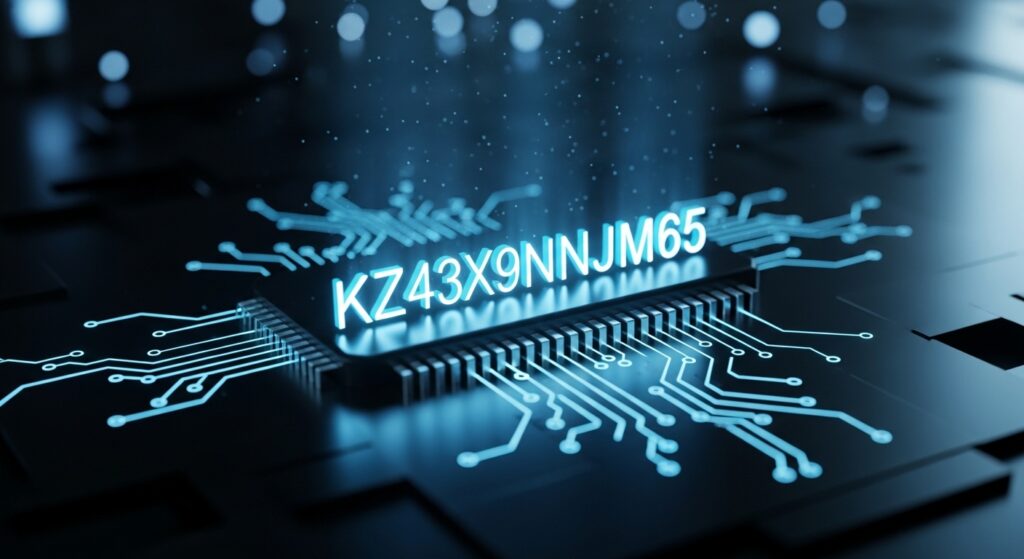
At first glance, KZ43X9NNJM65 appears to be a random string of letters and numbers. Yet in today’s technology-driven world, sequences like this are anything but meaningless. They represent the structural foundation of modern digital systems—unique identifiers that enable secure communication, organized data management, and reliable automation.
KZ43X9NNJM65 symbolizes the silent architecture that keeps digital ecosystems running smoothly.
The Importance of Unique Identifiers
In complex digital environments, every object, user, transaction, or device needs a distinct identity. Alphanumeric identifiers such as KZ43X9NNJM65 serve several crucial functions:
-
Guarantee uniqueness across vast databases
-
Prevent duplication of records
-
Enable accurate tracking
-
Support automated processing systems
Without such identifiers, digital systems would struggle with ambiguity and inefficiency.
KZ43X9NNJM65 in Cybersecurity
Security is one of the primary domains where strings like KZ43X9NNJM65 play a critical role. They may function as:
-
Access tokens
-
Encryption keys
-
Multi-factor authentication codes
-
API session identifiers
Their complexity makes them difficult to guess, strengthening defenses against unauthorized access.
Data Management and Organization
Organizations handle enormous amounts of structured and unstructured data. Unique identifiers allow systems to:
-
Link related records
-
Sort and categorize information
-
Retrieve files instantly
-
Maintain clean database architecture
KZ43X9NNJM65 represents the logic that ensures information remains organized even at scale.
Applications in Logistics and Commerce
In supply chains and e-commerce, identifiers are essential for traceability. A code like KZ43X9NNJM65 could represent:
-
A shipment tracking number
-
A serialized product code
-
A transaction reference
-
A digital invoice ID
Such identifiers create accountability and transparency across global operations.
Integration with Emerging Technologies
As technology advances, the relevance of structured codes continues to grow.
Blockchain Systems
Unique hashes secure transactions and maintain immutable ledgers.
Internet of Things (IoT)
Connected devices rely on unique IDs to communicate within smart networks.
Artificial Intelligence
AI systems depend on tagged datasets for accurate learning and pattern recognition.
KZ43X9NNJM65 reflects the precision required for these advanced infrastructures.
Human Interaction with Digital Codes
Even outside technical environments, users interact with alphanumeric identifiers regularly:
-
Order confirmation numbers
-
Booking references
-
Password reset tokens
-
Digital certificate IDs
Though often unnoticed, these codes reinforce trust in digital systems by ensuring traceability and verification.
Challenges of Complex Identifiers
Despite their value, alphanumeric codes also present challenges:
-
They can be difficult for humans to memorize
-
Poor generation systems may risk duplication
-
Large-scale storage requires efficient indexing
-
Security measures must protect sensitive identifiers
Proper design and governance are essential to maximize their effectiveness.
The Future of Digital Identification
As digital ecosystems expand, identifiers like KZ43X9NNJM65 will become even more important. Future developments may include:
-
Decentralized digital identities
-
Biometric-linked authentication systems
-
Autonomous machine-to-machine communication
-
Smart contract verification protocols
The demand for secure, scalable, and unique digital markers will only increase.
Conclusion
KZ43X9NNJM65 may look like a random combination of characters, but it represents a critical component of modern digital infrastructure. From cybersecurity to commerce and emerging technologies, structured identifiers ensure systems remain secure, organized, and efficient.
In an increasingly connected world, sequences like KZ43X9NNJM65 are not just codes—they are the backbone of digital trust and operational precision.