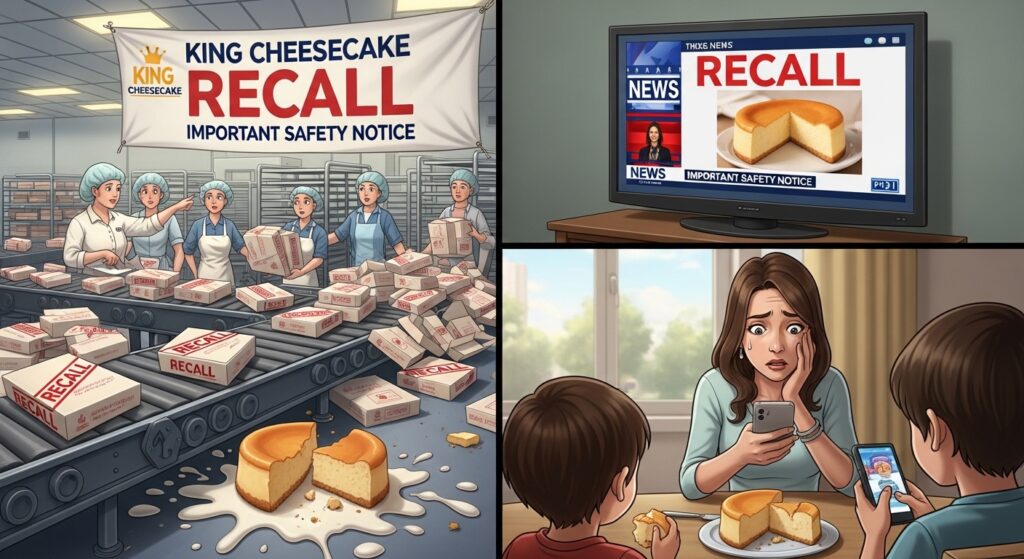
Recent reports have highlighted a King Cheesecake recall, drawing attention from consumers, retailers, and food safety authorities. Food recalls are serious matters, as they protect public health by removing potentially unsafe products from the market.
This article provides a comprehensive overview of the King Cheesecake recall, including the reasons behind it, the affected products, health risks, and steps consumers should take to stay safe.
Reason for the King Cheesecake Recall
Contamination Concerns
The recall was issued due to possible contamination of certain King Cheesecake products. Common contaminants that trigger food recalls include:
- Listeria monocytogenes, a bacteria that can cause severe illness in pregnant women, older adults, and individuals with weakened immune systems.
- Salmonella, another foodborne pathogen that can lead to gastrointestinal symptoms such as diarrhea, fever, and abdominal cramps.
Authorities recommend avoiding any product that matches the recalled batch numbers to prevent health risks.
Labeling and Packaging Issues
Some products may also be recalled due to mislabeling or packaging errors, including:
- Missing allergen information
- Incorrect expiration dates
- Misprinted lot numbers
These issues are particularly concerning for consumers with food allergies or sensitivities.
Products Affected by the Recall
The recall typically targets specific King Cheesecake varieties, sizes, or batch codes. Consumers should carefully check packaging against official recall lists to determine if their product is affected.
Affected products were sold at:
- Grocery stores and supermarkets
- Online retailers and delivery services
- Specialty dessert shops
Health Risks
Symptoms of Foodborne Illness
Consuming a recalled product can lead to foodborne illness. Symptoms may include:
- Nausea and vomiting
- Diarrhea
- Fever and chills
- Abdominal cramps
- Severe complications for high-risk groups
High-Risk Groups
Certain individuals are more vulnerable, including:
- Pregnant women
- Elderly individuals
- Young children
- People with compromised immune systems
Actions Consumers Should Take
Checking Products
- Review the official recall announcement.
- Compare product names, lot numbers, and expiration dates with your King Cheesecake items.
- Do not consume any product that matches the recalled information.
Returning or Disposing of Products
Consumers can safely handle affected products by:
- Returning them to the store for a refund or exchange.
- Disposing of them in a way that prevents accidental consumption.
Reporting Illness
If you experience symptoms after consuming a recalled product, report it to:
- Local health authorities
- The manufacturer’s customer service team
- National food safety agencies such as the FDA
Reporting helps authorities track contamination sources and prevent further incidents.
Company Response
King Cheesecake has responded to the recall by:
- Issuing public statements with affected product details
- Contacting retailers to remove items from shelves
- Providing instructions for consumers to return or safely dispose of affected products
The company may also implement enhanced quality control measures to prevent similar incidents in the future.
Impact on Retailers and the Market
Retailers must:
- Remove recalled products immediately
- Inform customers who may have purchased affected items
- Coordinate returns and refunds with suppliers
Food recalls can temporarily affect brand reputation and consumer confidence, highlighting the importance of transparency and prompt action.
Staying Informed
Consumers should stay updated on food recalls by:
- Checking government websites like the FDA’s recall database
- Following official company announcements and social media updates
- Consulting local news sources for alerts
Safety Tips
- Always check batch numbers and expiration dates before consuming packaged desserts.
- Store items according to recommended guidelines.
- Avoid cross-contamination by washing hands, utensils, and surfaces after handling recalled products.
Conclusion
The King Cheesecake recall emphasizes the importance of vigilance in food safety. By checking products, returning affected items, and following official guidance, consumers can protect themselves and their families from potential health risks.
Retailers and manufacturers play a critical role in responding promptly, ensuring that unsafe products are removed from the market and future safety measures are reinforced.