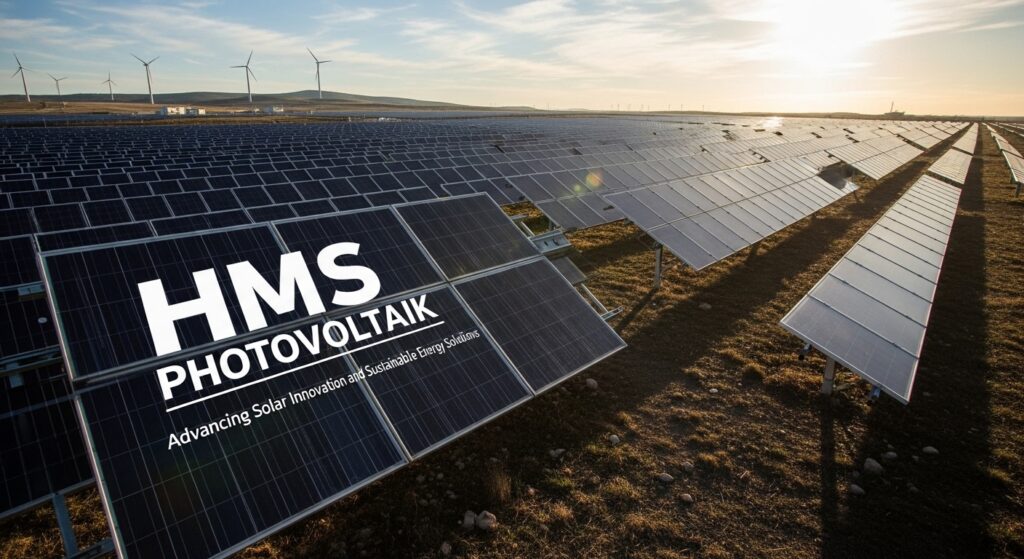
HMS Photovoltaik represents a forward-thinking approach to renewable energy, focusing on solar power generation and sustainable technology. As the world increasingly shifts toward clean energy alternatives, companies operating in the photovoltaic sector play a critical role in reducing carbon emissions and supporting global climate goals.
Photovoltaik, the German word for photovoltaic, refers to the technology that converts sunlight directly into electricity using semiconductor materials. HMS Photovoltaik, by its name, suggests a strong connection to the European renewable energy market, where solar adoption has grown rapidly over the past two decades.
Understanding Photovoltaic Technology
Photovoltaic systems generate electricity by capturing sunlight through solar panels. These panels contain photovoltaic cells, typically made from silicon, which create an electric current when exposed to sunlight. This technology forms the backbone of modern solar energy systems.
Countries like Germany have been pioneers in photovoltaic adoption. Germany’s strong renewable energy policies helped accelerate solar panel installations across Europe. HMS Photovoltaik likely aligns with this tradition of innovation and environmental responsibility.
The global push toward renewable energy has also been influenced by international agreements such as the United Nations climate initiatives, which encourage nations to reduce greenhouse gas emissions.
The Role of HMS Photovoltaik in Renewable Energy
HMS Photovoltaik could operate in several areas within the solar energy industry:
Design and installation of solar panel systems
Energy storage integration
Commercial and residential solar solutions
Solar farm development
Energy efficiency consulting
The company name suggests expertise in photovoltaic systems, potentially offering tailored energy solutions for households, businesses, and industrial facilities.
As energy demand continues to grow, renewable sources like solar provide long-term cost stability and environmental benefits.
Solar Energy and Economic Growth
Solar power is no longer considered a niche technology. It has become a mainstream energy source across Europe and beyond. Organizations such as International Energy Agency report steady increases in solar capacity worldwide.
Companies like Siemens have also invested in energy innovation, showing how major corporations are supporting renewable infrastructure. HMS Photovoltaik may operate within this ecosystem, contributing to technological development and energy transformation.
Solar installations create jobs in engineering, construction, maintenance, and research, supporting economic development alongside environmental sustainability.
Environmental Impact and Sustainability
One of the most significant advantages of photovoltaic systems is their ability to produce electricity without emitting greenhouse gases during operation. By investing in solar solutions, businesses and homeowners reduce reliance on fossil fuels.
HMS Photovoltaik could promote sustainability through:
Carbon footprint reduction
Energy independence
Long-term cost savings
Support for decentralized power grids
Decentralized energy systems, where power is generated closer to the point of consumption, enhance resilience and reduce transmission losses.
Technological Innovation in Solar Systems
Modern photovoltaic systems are more efficient and durable than ever before. Advances in panel efficiency, battery storage, and smart grid integration allow solar energy to compete directly with conventional power sources.
HMS Photovoltaik might incorporate innovations such as:
High-efficiency monocrystalline panels
Integrated battery storage systems
Smart energy monitoring software
Hybrid renewable systems
Digital monitoring tools allow users to track energy production and consumption in real time, increasing transparency and efficiency.
The European Solar Market
Europe remains a leader in renewable energy policy. Governments provide incentives, tax credits, and feed-in tariffs to encourage solar adoption. Germany in particular has long supported photovoltaic development through strong regulatory frameworks.
HMS Photovoltaik likely operates within this supportive regulatory environment, offering clients solutions that align with both national and European Union sustainability targets.
Challenges and Opportunities
Despite its advantages, the photovoltaic sector faces challenges such as supply chain fluctuations, initial installation costs, and evolving regulations. However, ongoing technological improvements continue to lower costs and increase system efficiency.
As global awareness of climate change grows, opportunities for solar providers expand. Businesses increasingly seek renewable energy to meet environmental, social, and governance standards.
The Future of HMS Photovoltaik
Looking ahead, HMS Photovoltaik could expand into energy storage, electric vehicle charging infrastructure, or smart grid integration. As the renewable energy market matures, integrated solutions will become increasingly valuable.
Collaboration with engineering firms, environmental consultants, and financial institutions could further strengthen its market presence.
Conclusion
HMS Photovoltaik symbolizes progress in clean energy technology. By focusing on solar innovation and sustainable practices, it represents a vital part of the global shift toward renewable power.
As countries continue to reduce carbon emissions and invest in green infrastructure, photovoltaic companies will play an essential role in shaping the future of energy. HMS Photovoltaik stands as a reflection of this transformation—where technology, sustainability, and economic growth come together to power a cleaner world.