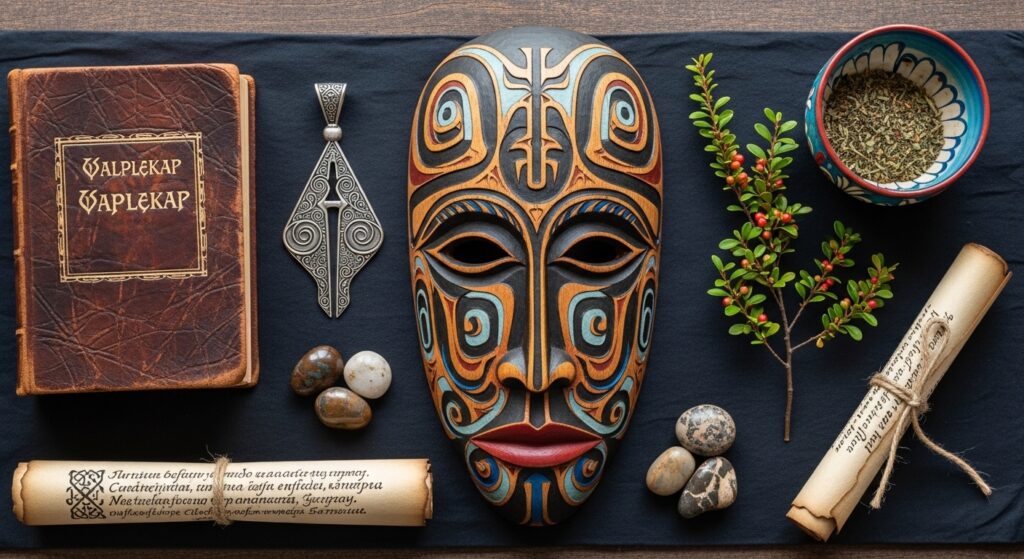
Valplekar is more than just a cultural phenomenon; it’s an experience that resonates deeply within communities, weaving together history, tradition, and identity. For those unfamiliar, Valplekar represents a rich tapestry of customs and rituals that have evolved over generations. This unique practice holds significant meaning for many individuals, shaping their lives in profound ways.
As we delve into the heart of Valplekar, we’ll uncover its origins and explore how it has transformed over time. From colorful ceremonies to community gatherings, the essence of Valplekar pulses vibrantly through local cultures. Join us on this journey as we unravel the layers behind this fascinating tradition and investigate its impact on society today.
The Origins and Evolution of Valplekar
Valplekar’s roots trace back centuries, nestled within the rich tapestry of local folklore and traditions. Initially, it emerged as a seasonal celebration, deeply intertwined with agricultural cycles. Villagers would gather to honor nature’s bounty through offerings and communal feasts.
As time progressed, Valplekar adapted to reflect changing societal values. It transformed from a purely agrarian festivity into a vibrant cultural event that showcases art, music, and dance. This evolution allowed for greater community involvement and intergenerational participation.
The festival gradually incorporated elements from surrounding cultures while maintaining its core essence. Today, Valplekar stands as not only a tribute to heritage but also an expression of contemporary identity. Each iteration brings new customs yet honors those that have come before it—showing how tradition can flourish in modern times.
Rituals and Traditions Associated with Valplekar
Valplekar is rich with rituals that reflect its deep cultural roots. These practices are often linked to seasonal changes and agricultural cycles, showcasing the community’s connection to nature.
One of the most notable traditions involves communal gatherings. Families come together to celebrate significant events, sharing food and stories. This fosters unity among participants, strengthening bonds in a rapidly changing world.
Another important ritual centers around music and dance. Traditional songs echo through the air during festivities, inviting everyone to partake in joyful expression. The rhythmic beats resonate deeply within each participant, creating an atmosphere of celebration.
Ceremonies also mark important life stages such as births or marriages. Each event incorporates specific customs that honor ancestors while embracing modernity. Through these traditions, Valplekar remains vibrant and relevant for both younger generations and elders alike.
Impact of Valplekar on Local Communities
Valplekar serves as a vibrant thread weaving through the fabric of local communities. It creates a sense of identity and pride among residents, uniting them in shared traditions and collective memories.
The annual celebrations draw crowds, fostering friendships and interactions across generations. This cultural event strengthens bonds between neighbors, encouraging collaboration on various initiatives.
Local artisans often showcase their crafts during Valplekar festivities. This not only promotes traditional skills but also stimulates the economy by boosting sales for small businesses.
Moreover, educational programs related to Valplekar are frequently organized, engaging schools and inspiring younger generations to appreciate their heritage.
Through its rituals and community involvement, Valplekar cultivates an environment where culture thrives alongside modernity. The festival’s influence extends beyond mere celebration; it nurtures resilience within communities facing contemporary challenges.
Modern Adaptations and Interpretations of Valplekar
In recent years, Valplekar has undergone significant transformations. Artists and cultural enthusiasts are reinterpreting its themes to resonate with modern audiences. This evolution reflects the changing values and lifestyles of contemporary society.
Social media plays a crucial role in these adaptations. Platforms showcase vibrant visuals of Valplekar celebrations, attracting younger generations who may have felt disconnected from traditional practices.
Innovative workshops now teach participants how to create their own Valplekar-inspired art or crafts, blending ancient techniques with modern aesthetics. These initiatives foster creativity while honoring heritage.
Furthermore, local festivals incorporate contemporary music styles into Valplekar rituals. This fusion creates an engaging environment that encourages participation from diverse groups.
As the world evolves, so does Valplekar—showcasing its resilience and relevance in today’s cultural landscape.
Controversies Surrounding Valplekar
Valplekar has not been without its share of controversies. As cultural practices evolve, some traditions associated with Valplekar have faced criticism. Different generations interpret rituals differently, leading to debates over their relevance.
Another point of contention is the commercialization of Valplekar events. Some argue that this shift dilutes the essence and authenticity of the tradition. When profit overshadows cultural significance, tensions arise within communities.
Additionally, there are discussions regarding inclusivity in Valplekar celebrations. Certain groups feel marginalized or excluded from participating fully in these traditional rites, sparking conversations about equity and representation.
Social media platforms amplify these issues further. Online discourse often highlights differing opinions on what Valplekar should represent today versus its historical roots. This dynamic creates an ongoing dialogue about identity and heritage within a modern context.
Conclusion: Valplekar in Today’s World
Valplekar continues to hold a unique place in the cultural tapestry of communities that embrace its traditions. Today, it exists not just as a relic of the past but also as a living practice that evolves with time. Modern interpretations see younger generations engaging with Valplekar in creative ways, blending traditional rituals with contemporary expressions.
Social media plays a significant role in this transformation. Platforms allow for sharing experiences and fostering discussions about Valplekar’s significance, drawing interest from those unfamiliar with its heritage. This visibility helps preserve its essence while inviting new perspectives.
As people navigate their identities within rapidly changing environments, Valplekar serves as both anchor and inspiration. It connects individuals to their roots while encouraging dialogue around cultural preservation versus modernization. The balance between maintaining traditions and adapting them to modern contexts reflects broader societal trends.
The future of Valplekar seems promising yet uncertain—a testament to the resilience of culture amidst change. Its journey will undoubtedly continue influencing local customs and enriching community bonds for years to come.