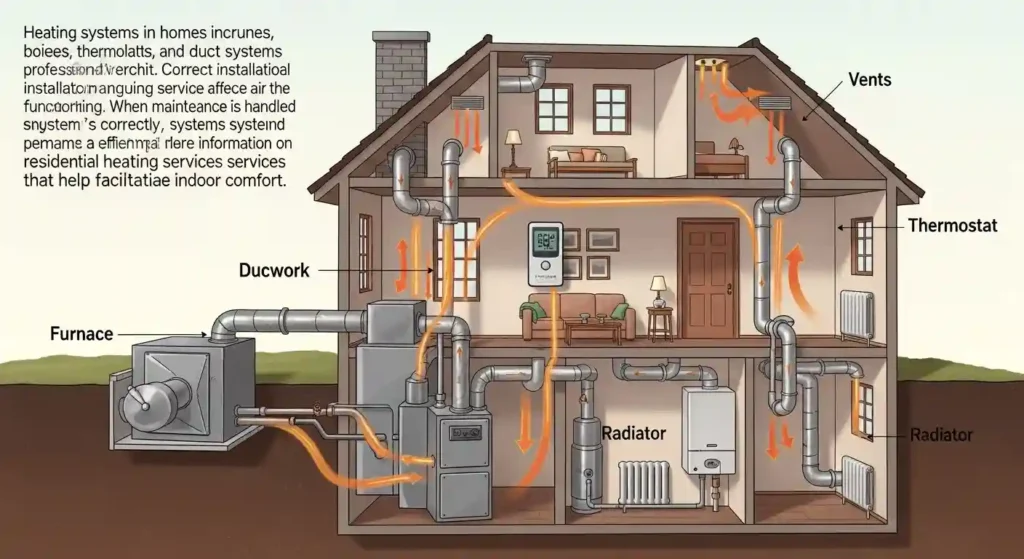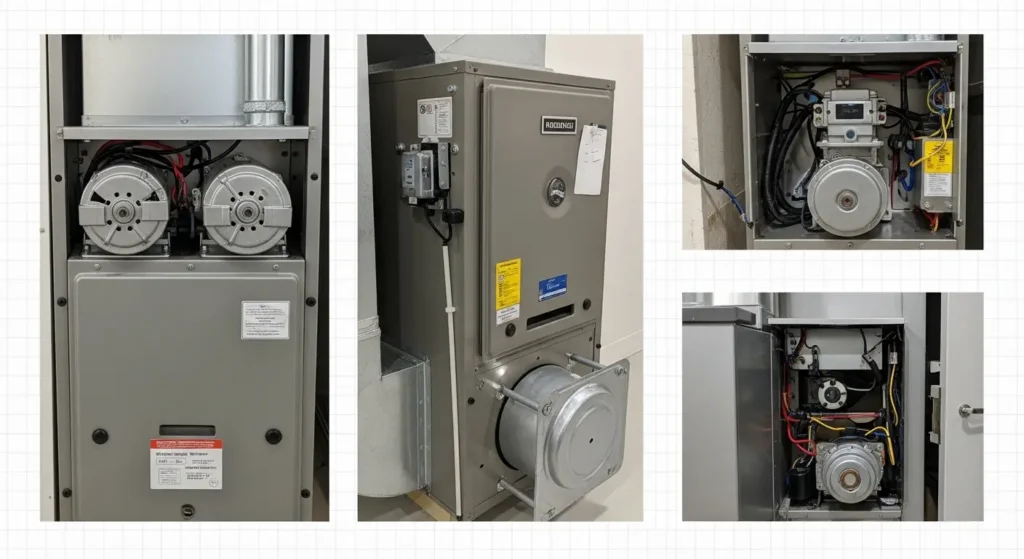
A furnace contains multiple components, such as motors, limit switches, a combustion chamber, electronic controls, and an inducer. Failure of these parts can necessitate furnace repairs. Keeping these parts in good condition supports energy efficiency, and it helps extend the lifespan of your heating and cooling system. Here are a few parts of a furnace that may be expensive to repair:
Identifying Heat Exchanger Issues
The heat exchanger is responsible for separating combusted gases from the circulating air in your furnace. Cracks or holes in the heat exchanger allow carbon monoxide and other byproducts into your air, posing health hazards. These problems may cause the furnace to overheat and shut down, or it sometimes stops producing heat. Furnace maintenance services help catch these faults early, before a failure requires a total replacement of this internal component. Keeping the heat exchanger tight and corrosion-free upholds residential safety against gas leaks. When conducting a furnace repair, prioritize heat exchanger inspection to prevent expensive replacements.
Analyzing Control Board Problems
The control board helps coordinate the furnace’s operations by processing instructions for the system. A malfunctioning control board might cause problems such as unexpected shut-offs or delayed starts. Some modern furnaces use control boards with integrated diagnostic codes, and this allows technicians to quickly identify specific faults and streamline repairs.
HVAC repair services use diagnosis to distinguish control board issues from other problems. Accurate diagnosis confirms that only the faulty control board is replaced, avoiding unnecessary repairs to other components. Replacing a control board may be expensive, especially if the malfunction disrupts other components. HVAC contractors who install a new control board help to restore optimal performance and prevent further system damage.
When Should You Test for Silent Endometriosis
Evaluating Inducer Repairs
Some furnaces have draft inducers, which help to safely vent combustion gases from your furnace, preventing harmful buildup inside your home. They may expel fumes from heat chambers before ignition, preventing unsafe concentrations. Fixing issues that cause worn-out bearings, burned-out windings, or incorrect wiring can help improve energy efficiency, and repairs allow for safe ignition and ventilation. This involves recalibrating furnace performance and checking for any unexpected system errors. Diagnostic procedures pinpoint specific faults in the assembly to aid in preventive maintenance and troubleshooting. Analyzing cycle times or temperature variations may reveal issues such as negative pressure switching.
Assessing Gas Valve Replacements
Natural gas furnaces rely on a functioning gas valve to safely regulate fuel flow; as they age, these valves can deteriorate and malfunction. Cracks, warping, extensive rust, or obstructions sometimes prevent safe operation of the furnace. Industrial combustion chambers may experience repeated stress that makes eventual repair necessary. An experienced technician helps you diagnose problems affecting your gas valve and choose the right repair. This feature allows for controlled heating cycles.
Professionals evaluate whether the repair or replacement of a gas valve restores it to optimal performance. A certified technician will assess the valve’s condition, confirm the need for replacement, and install the new component. Gas valves help manage flames in the furnace, and quality maintenance of them helps prolong furnace service life and avoid breakdowns.
Understanding Blower Motor Failures
Blower motors regulate the flow of hot air produced by a gas or oil furnace; motors that fail due to overuse or worn internal parts may reduce airflow. It also sometimes causes reduced temperature regulation, comfort, and efficiency, causing extended cycles that increase heating expenses. Technicians may check for faulty blowers and test electrical connections. Diagnostic equipment helps to examine the motors and verify that only worn or faulty parts are replaced. Repairing the blower motor allows the air circulation in a home to improve.
Schedule a Furnace Repair
Fixing a broken component, such as a heat sensor or fan, sometimes depends on the furnace’s age, condition, and expenses. Homeowners can look for signs of faulty parts to help prevent extensive repairs or replacements. These signs include unusual noises, odd smells, and rust. Some systems cycle on and off repeatedly, and technicians can inspect the furnace to locate the issue. Work with technicians to replace worn parts that cause loud operation. Regardless of the repair required, an experienced heating service contractor offers furnace tune-up solutions aimed at restoring your system’s performance. Contact an HVAC technician today for furnace repair services.