Unexplained infertility is the inability to become pregnant even after trying for an extended period of time. Infertility can affect both men and women, and early diagnosis and treatment help to increase the chances of conception. The condition may be caused by various factors, including hormonal imbalances and structural problems in the reproductive organs. Here are a few current clinical approaches to unexplained infertility:
Surgical Laparoscopy
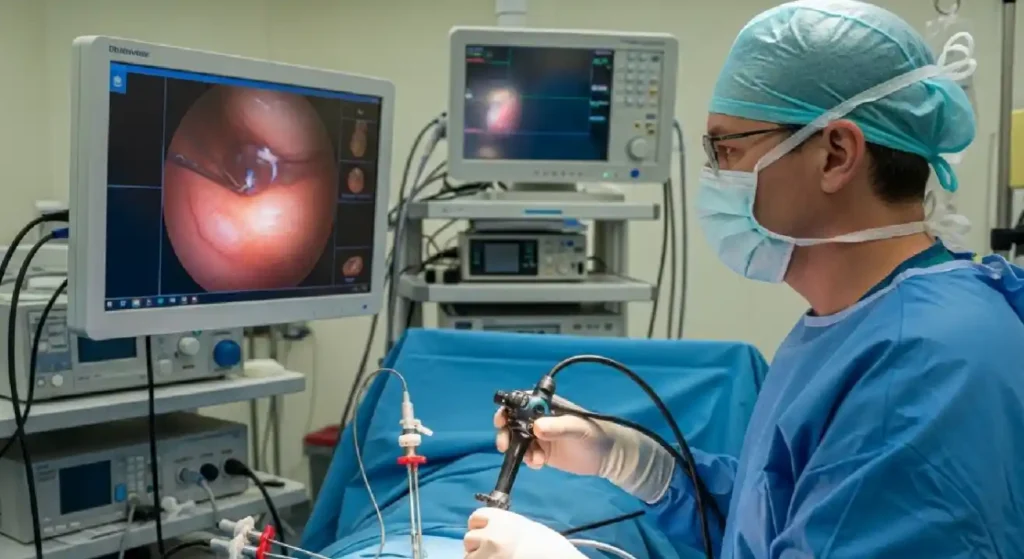
The inability to become pregnant could be due to internal structural problems. This includes endometriosis, including silent endometriosis. Instead of speculating on the cause of infertility, doctors may opt for a surgical laparoscopy. In this process, a thin, flexible tube with a camera at the top is inserted into the abdomen through small incisions. This allows the doctor to view the internal reproductive organs and identify any abnormalities that may hinder pregnancy.
Sometimes infertility could be a result of ovarian cysts and fibroids. They often interfere with the ability to conceive. Through laparoscopic surgery, a doctor removes these cysts and fibroids, improving the chances of conceiving naturally. Gynecological conditions that need to be identified and treated using laparoscopy include endometriosis, pelvic inflammatory disease, and tubal blockages. If a patient is currently taking medication, they should inform the doctor beforehand, as some medications should not be combined with the procedure.
Personalized IVF Protocols
IVF treatment involves an egg being fertilized by sperm in a laboratory and then transferred into the woman’s uterus. This protocol involves administering medications to stop the natural menstrual cycle so that the doctor controls when ovulation will occur. Some examples of personalized IVF protocols include:
- Mini-stimulation IVF: This protocol uses lower amounts of fertility drugs to produce a lower number of high-quality eggs.
- Natural cycle IVF: In this protocol, no fertility drugs are used, and only one egg is retrieved from the natural process of ovulation.
- Frozen embryo transfer cycles: FET cycles involve the freezing of the embryos after the completion of the IVF cycle.
- Intracytoplasmic sperm injection: This is a technique in which a single sperm is inserted into the egg, used in cases where male factor infertility is the problem.
Online Learning’s Wild Ride: How Tech Is Really Changing School in 2026
Antibiotic Treatment
When undergoing fertility treatments, it is common for women to be given antibiotics. This is to treat and prevent infections that could potentially adversely affect the outcome of the pregnancy. When a woman is undergoing IVF, antibiotics may be given to her before or after the egg removal procedure to prevent infection of the uterus. This is particularly useful to women who have a high risk of developing pelvic inflammatory disease (PID), which results in scarring of the fallopian tubes.
Antibiotics may also be given to women during the IVF procedure if there is evidence of bacterial overgrowth in the reproductive tract, which affects the outcome of the pregnancy. When given during the IVF procedure, the antibiotics create a favorable environment that allows the embryo to implant and supports the pregnancy.
Hormone Suppression Therapy
When experiencing hormonal imbalances that contribute to irregular periods, hormone suppression therapy may be an option. This treatment is effective for managing conditions such as endometriosis. Hormone suppression therapy works by stopping ovulation or the production of estrogen and progesterone hormones.
The therapy entails the usage of oral contraceptives or another medication given by a gynecologist. Spotting or breakthrough bleeding may occur in the patient as the uterine lining stabilizes. During hormone suppression treatment, the patient is encouraged to monitor their menstrual cycles and report any irregularities or changes to their physician.
The treatment is useful for treating unexplained infertility because it balances the hormones and aids the creation of a well-developed uterine lining. Where oral contraceptives are not effective use of other fertility drugs, such as clomiphene, is done to induce ovulation. In cases where ultrasonography shows inflammation of the uterine lining, antibiotics are prescribed along with hormone-suppressing therapy.
Seek Professional Help for Unexplained Infertility
If you and your partner have been trying to conceive for over a year without success, it may be time to seek professional help. A fertility specialist can assess both partners’ health and provide guidance to improve the chances of conceiving. They may also recommend treatments such as in vitro fertilization (IVF) to overcome unexplained infertility. Visit a trusted fertility clinic to get the support and care you need on your journey towards parenthood.