In the ever-changing digital landscape, new terms, platforms, and concepts frequently emerge, shaping how people interact, work, and innovate online. One such term that has started gaining attention is Cadibara. Although it is not yet widely recognized across mainstream platforms, Cadibara represents a concept associated with creativity, digital development, and modern collaborative environments.
What Is Cadibara?
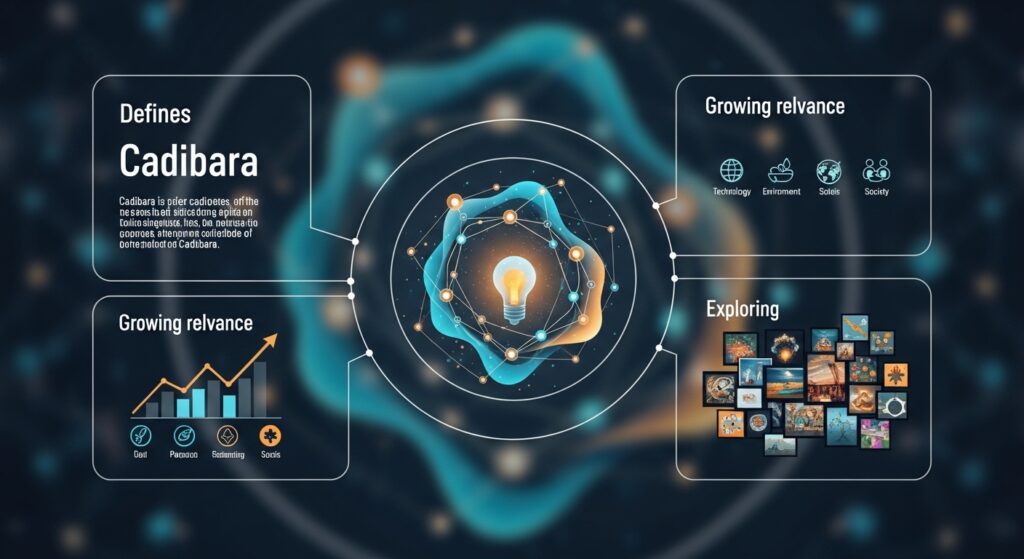
Cadibara can be understood as a digital concept or evolving framework that reflects innovation, collaboration, and structured productivity in modern technological environments. In many discussions, Cadibara is associated with systems that help individuals or teams manage ideas, organize projects, and enhance creativity through digital tools.
Unlike traditional platforms that focus on a single function, Cadibara represents a flexible approach that may combine several elements, such as:
-
Digital collaboration
-
Project and task management
-
Creative idea development
-
Productivity optimization
Because of this adaptability, Cadi bara has the potential to be applied in multiple fields including technology, business, creative industries, and education.
The Emergence of Cadibara in the Digital World
The rise of concepts like Cadi bara reflects broader trends in the modern digital era. As technology advances, people require more integrated systems that can simplify complex tasks and bring multiple functions into one organized environment.
Several factors have contributed to the emergence of Cadibara:
Digital Transformation
Businesses and individuals are increasingly relying on digital platforms to manage operations, communicate, and collaborate. Concepts like Cadi bara respond to this need by offering flexible digital solutions.
Remote and Hybrid Work
With the growth of remote work, teams need platforms that allow seamless communication and project coordination. Cadi bara emphasizes collaboration and shared digital workspaces.
Creative Innovation
Creative professionals such as designers, writers, and developers benefit from systems that support brainstorming, idea management, and workflow organization.
Demand for Efficiency
Modern professionals often manage multiple tasks simultaneously. Tools inspired by Cadibara aim to simplify these processes and improve productivity.
Key Features Associated with Cadibara
Although Cadi bara may still be evolving as a concept, several features are commonly associated with it. These elements highlight how it could function in practical environments.
1. Workflow Organization
Cadi bara promotes structured workflows that help individuals and teams organize their tasks more effectively. By breaking down large projects into manageable steps, users can maintain clarity and efficiency.
2. Collaboration Tools
Collaboration is at the heart of Cadibara. It encourages teamwork by enabling multiple users to contribute ideas, track progress, and communicate within a shared workspace.
3. Flexibility
One of the most notable characteristics of Cadibara is its adaptability. It can potentially be used in different industries and for various purposes, making it a versatile solution for modern digital needs.
4. Digital Integration
Cadi bara is often associated with integrated systems that connect different tools and services. This reduces the need to switch between multiple platforms and creates a smoother workflow.
5. Idea Management
Creative thinking is a major component of the Cadi bara concept. It provides ways to capture ideas, refine them, and transform them into practical projects.
Applications of Cadibara
The flexibility of Cadibara allows it to be applied across numerous fields. Its potential applications highlight how it can support both individuals and organizations.
Business and Corporate Environments
Businesses can use Cadi bara-inspired systems to organize projects, manage teams, and improve productivity. By centralizing tasks and communication, companies can streamline their operations.
Creative Industries
Artists, writers, designers, and content creators can benefit from Cadi bara by organizing their ideas and collaborating with other creatives. It provides a structured yet flexible approach to creative work.
Technology and Development
Software development teams often require efficient tools for project tracking and collaboration. Cadibara could serve as a framework for managing development cycles and coordinating team efforts.
Education and Learning
Educational institutions and research groups can adopt Cadibara-style systems to manage group projects, organize academic research, and facilitate collaborative learning.
Entrepreneurship and Startups
Startups often operate in fast-paced environments where efficiency is critical. Cadibara can help entrepreneurs organize ideas, track goals, and manage growing teams.
Benefits of Cadibara
The increasing interest in Cadibara is largely due to the advantages it offers in modern digital workflows.
Improved Productivity
By organizing tasks and workflows effectively, Cadibara helps users focus on meaningful work rather than administrative processes.
Enhanced Collaboration
Team members can work together more efficiently through shared spaces, real-time communication, and collective project tracking.
Centralized Management
Instead of using multiple tools for different tasks, Cadi bara brings several functions together in one structured environment.
Flexibility and Scalability
Cadi bara can adapt to the needs of individuals, small teams, or large organizations, making it suitable for a wide range of users.
Encouragement of Innovation
By providing systems for idea generation and project development, Cadibara supports creativity and innovation.
Challenges and Limitations
While Cadi bara offers numerous advantages, it is important to consider potential challenges associated with emerging digital concepts.
Learning Curve
New users may need time to become familiar with the structure and features of Cadi bara-based systems.
Integration Complexity
Some organizations may face difficulties integrating Cadi bara with existing tools and workflows.
Data Security Concerns
Any platform that handles collaborative data must ensure strong security measures to protect sensitive information.
Rapid Technological Change
Digital platforms evolve quickly, so Cadibara must continuously adapt to remain relevant and effective.
The Future Potential of Cadibara
The future of Cadibara depends on how it continues to evolve alongside technological advancements. Several developments could shape its growth.
Artificial Intelligence Integration
AI could enhance Cadibara by automating tasks, analyzing workflows, and providing intelligent suggestions for project management.
Advanced Collaboration Features
Future versions may include real-time editing, virtual workspaces, and enhanced communication tools.
Global Accessibility
As digital collaboration expands worldwide, Cadibara could connect professionals from different regions and industries.
Data Analytics and Insights
Improved analytics could help users track performance, identify trends, and optimize workflows.
Cross-Industry Adoption
Cadibara has the potential to expand beyond technology and creative industries into sectors such as healthcare, education, and logistics.
Why Cadibara Matters in the Modern Digital Landscape
The significance of Cadibara lies in its ability to address several challenges faced by modern professionals. Today’s work environment often involves managing multiple projects, collaborating with remote teams, and adapting to rapid technological changes.
Cadibara represents a response to these challenges by offering a framework that prioritizes organization, collaboration, and innovation. By integrating multiple aspects of digital productivity into a single concept, it reflects the direction in which modern digital systems are evolving.
Conclusion
Cadibara is an emerging concept that reflects the growing need for integrated, collaborative, and flexible digital solutions. By combining workflow organization, creative idea management, and team collaboration, it offers a framework that can support a wide range of professional and creative activities.
Although Cadibara is still gaining recognition, its principles align closely with the future of digital productivity. As technology continues to advance and global collaboration becomes more common, systems inspired by Cadibara may play an important role in shaping how individuals and organizations manage projects, generate ideas, and achieve their goals.
With its emphasis on efficiency, creativity, and adaptability, Cadibara represents a forward-thinking approach to navigating the complexities of modern digital work environments.