Nativität is a term that evokes deep emotions and profound reflections. It encompasses more than just the birth of a child; it symbolizes hope, new beginnings, and the essence of life itself. As we delve into the rich tapestry surrounding Nativität, we uncover its historical roots, cultural significance, and spiritual dimensions that resonate across various beliefs. Whether you are familiar with this concept or encountering it for the first time, exploring Nativität can lead to enlightening insights about ourselves and our world. Join us on this journey as we unwrap layers of meaning tied to Nativität!
The History and Origins of Nativität
Nativität has deep roots in various cultural and religious traditions. Its origins can be traced back to ancient practices that celebrated birth and renewal. These celebrations often coincided with the winter solstice, a time when light begins to return.
In Christianity, Nativität specifically refers to the nativity of Jesus Christ. The story of his birth is central to Christian belief, symbolizing hope and salvation for humanity. This narrative was formalized in early church teachings around the fourth century.
As time progressed, different cultures embraced Nativität through their unique lenses. For instance, many European countries incorporated local customs into Christmas celebrations while retaining the core themes of joy and togetherness.
Artistic representations have flourished over centuries, from Renaissance paintings to modern-day crèches. Each piece captures diverse interpretations of this significant event, showcasing its universal appeal across generations and geographies.
Symbols and Traditions Associated with Nativität
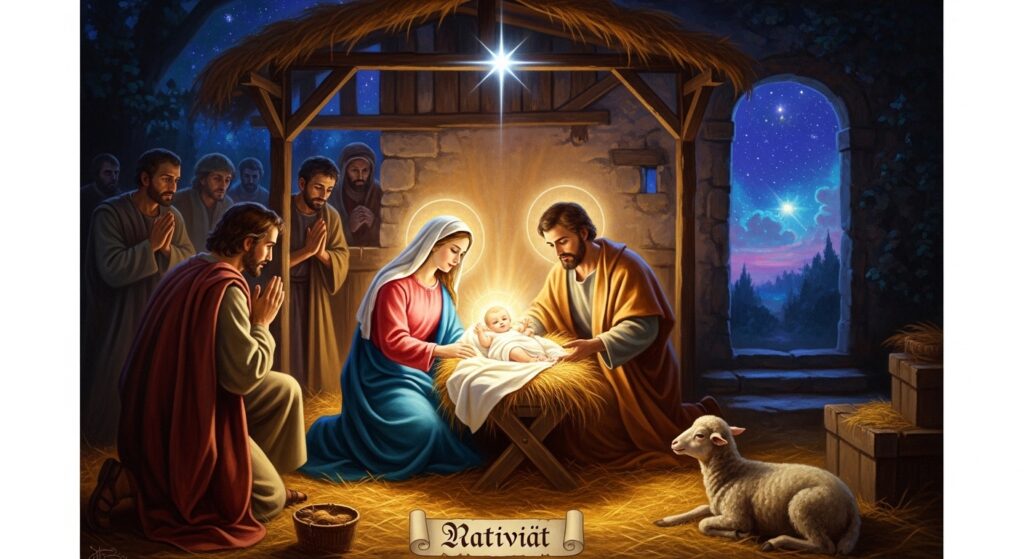
Nativität is rich with symbols that convey deep meanings. One of the most prominent symbols is the Nativity scene itself, depicting the birth of Jesus in a humble stable. This tableau often includes figures such as Mary, Joseph, baby Jesus, and animals alongside shepherds and wise men.
Another significant symbol is the star of Bethlehem. It represents guidance and hope, leading the Magi to find the newborn king.
Traditions vary across cultures but often include vibrant celebrations filled with music and storytelling. In many places, it’s customary to display lights or candles during this season to symbolize divine light entering a dark world.
Advent calendars are also popular, marking each day leading up to Christmas. Each door reveals a small gift or message reflecting joy and anticipation associated with Nativität traditions worldwide.
The Spiritual Significance of Nativität in Different Cultures and Religions
Nativität holds profound spiritual significance across various cultures and religions. In Christianity, it represents the birth of Jesus Christ, symbolizing hope and salvation. The Nativity scene is a powerful reminder of humility and divine love.
In Hinduism, similar themes emerge during festivals like Diwali, where the arrival of new light signifies renewal and prosperity.
Indigenous cultures often celebrate Nativität through rituals that honor nature’s cycles. Their connection to earth emphasizes rebirth and harmony with the universe.
Buddhism reflects on concepts of rebirth as well. The idea aligns with personal transformation—every moment offers an opportunity for awakening.
Each interpretation reveals unique insights into life’s journey. By embracing these diverse perspectives, individuals can deepen their understanding of existence itself and find common ground in shared experiences of spirituality.
Personal Interpretations and Experiences with Nativität
Nativität resonates differently for each individual. For some, it symbolizes new beginnings and the beauty of life’s potential. A friend once shared how she felt a profound sense of peace during this time, reflecting on her own experiences of growth.
Others find solace in community gatherings centered around Nativität. These moments create bonds that transcend everyday interactions. The warmth of shared stories often ignites personal revelations.
Personal rituals can also hold significant meaning. Lightening candles or decorating spaces with symbols evokes feelings of hope and connection to something greater than oneself.
Artistic expressions inspired by Nativität bring unique interpretations to the forefront too. From paintings to poetry, creativity flourishes as people channel their emotions into tangible forms.
Through these diverse lenses, Nativität remains deeply personal yet universally relatable, offering insights into our journeys and connections with others along the way.
Incorporating Nativität into Daily Life
Incorporating nativität into daily life can bring a sense of peace and purpose. Start by creating a dedicated space for reflection in your home. This could be a small altar adorned with symbols that resonate with you.
Consider the power of rituals. Simple acts like lighting a candle or reciting affirmations can connect you to the deeper meanings behind nativität. Engage all your senses—incense, soft music, or even nature sounds can enhance this experience.
Use mindfulness techniques when engaging with others. Approach conversations and interactions as sacred opportunities for connection and understanding.
Journaling is another powerful tool. Write about your thoughts on nativität, how it influences you, and any insights gained during quiet moments of contemplation.
Embrace community gatherings centered around shared beliefs or practices related to nativität—this fosters both belonging and spiritual growth in everyday life.
Conclusion
The journey into the meaning of Nativität reveals a rich tapestry woven from history, culture, and spirituality. As we explore its origins and the symbols associated with it, we find that Nativität transcends mere celebration; it embodies profound themes of birth, renewal, and hope.
Different cultures and religions interpret Nativität in unique ways. Each perspective adds depth to our understanding. Whether through religious practices or personal experiences, individuals connect deeply with this concept. It urges us to reflect on our own beliefs and how they shape our perception of life’s cycles.
Incorporating Nativität into daily life can be transformative. Simple acts like celebrating traditions or engaging in mindfulness during significant moments allow us to honor its essence regularly.
Nativität serves as more than a seasonal marker; it is an invitation to embrace new beginnings and foster connections within ourselves and the world around us. The exploration of this theme encourages both introspection and community engagement—an opportunity for growth that resonates universally across time and space.